Storage Options for Property Data
Storage Options
for Property Data
The simplicity of property data is underscored by COBie developed at the National Institute of Building Sciences (NIBS). In contrast, cloud platforms capable of supporting huge datasets and applications are much more complex environments that affect hardware cost, response times and data portability.
Each type of storage offer advantages to property service provider ecosystems. But what is the best data formats and facility for property owners and investors. It’s important to differentiate the role of the property and its data vs. technologies used to operate and manage the asset.
The biggest challenge industry may face is recognizing property owners as data owners opposed to technology users. A true distinction compared to user or service provider technologies that ingest bits and pieces of the data. The only users that require access to the universe of a property’s details are asset and property managers.
Not even tenants who naturally interact with existing data through building use but also generates new detail through routine maintenance and improvements. The challenge owners face is tracking this upkeep and tenants who perform improvements without providing notice, proper documentation, building permits or specifications and operational performance data.
Such minor intricacies can directly affect asset valuations in complete silence. Business and data continuity require a fresh look at traditional tenant agreements in terms of evolving data driven operating environments. Property owners must also provide means to capture and store information as it develops by closing existing gaps in data exchange to simplify the task with autonomy.
Further, the ownership, utility and value of property data certainly warrants scrutiny when information is shared with PropTech applications. It’s important to understand if, how and when third party platforms store your details for use cases beyond the users’ immediate value proposition as-offered by cloud applications. Deep property data should be considered the proprietary intellectual property of the real estate asset (aka: ownership) to protect and capture its value.
COBie Data & Storage
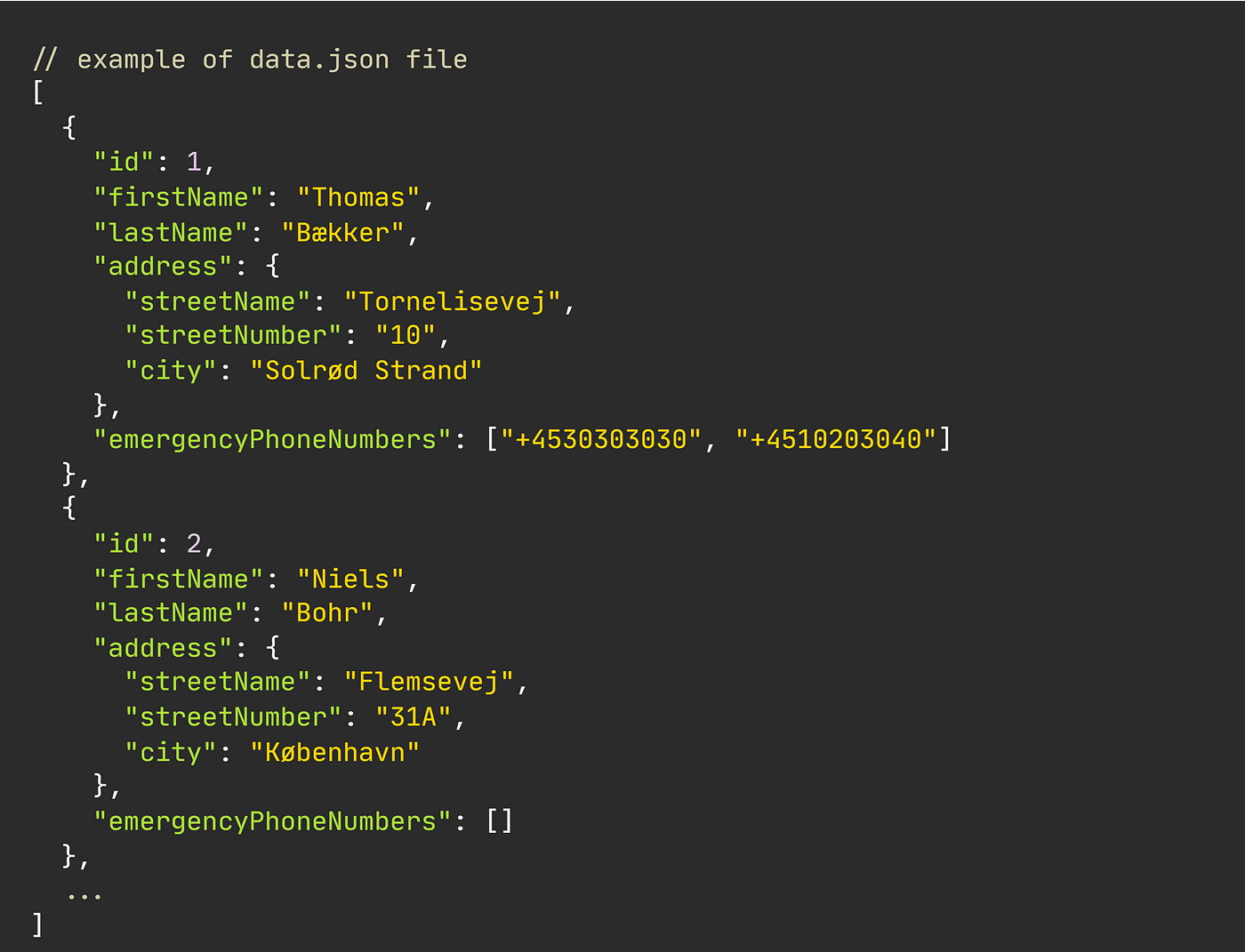
The COBie standard outlines a building information model (BIM) although data objects can include grounds, parking and landscapes, etc. Many may recognize and still use COBie templates but NIBS recently released a digital outline or .json format for property data. These .json files are basic text files that can be opened and edited in Notepad. A json specific editor will make files easier to read and edit.
Most deep data is static in nature. Any type of cloud storage provides advantages like accessibility, reliable data references and digital exchange for service provider related technologies. While some data is augmented by daily logs and conditional or performance reports, details on systems and equipment only require occasional updates during an improvement or replacement.
As a BIM, the data naturally includes leasable ‘spaces’ (as they’re called) but falls short of rental rates and income. Real estate is known for public exposure so tenants, leases and rates can be published but traditionally owners and investors consider financial and client data confidential.
Notwithstanding, all property data should be considered proprietary with access limited to a need-to-know basis. Markets that place value on property data for alternate use-cases already exist. However, to take advantage of data markets, property details must be digitally stored, accessible and portable to assure transfer of ownership, continued business continuity and utility.
Cloud Platforms
Certainly platform applications can be beneficial to property management. And large PM firms have the volume of assets under management to validate a need for dynamic computing resources. Obviously, management applications are intended to improve efficiency of firm users but should property bare the expense of this technology.
Dynamic Resources
Portability of property data between service providers and applications may be limited or isolated to the individual platform. Historically, technology similar to PropTech often required additional fees to change administration or perform a simple import / export. In the case of property, ownership would require data exported as BIM objects for efficient deployment.
Rapid storage expansion isn’t an issue for most properties. And the primary concern for a high-rise or skyscraper is facilitating its initial volume. Digital storage doesn’t require a lot of processing power and networking demands are distributed across an isolated number of service providers. Equally, daily access for most property data is limited to one or three users at the management firm. Other service providers may require access once a month or annually.
Requirements between a six story condominium and office building may be starkly different. And the availability of build details in digital formats will be limited to newly built assets only if the files were intentionally collected during the design and construction cycles.
Resource Requirements
Data for a new build project (property) can include significant amounts of data with more than a dozen file types and hundreds of files before tenants move in or perform improvements. In addition, systems like HVAC can continue to produce data on a daily basis while tenant improvements include data in bulk similar to build projects.
The accumulation of data on any given property is a constant. Technology reliant on quality data highlights a market value and ROI to justify the expense of storage and providing secure accessibility. The owner’s only technological obligation or market requirement is converting O&M details into useable digital formats for cloud storage.
Data, Users & Technologies
Commercial property can be linked to hundreds of service providers that also need access to data in the course of performing services but only when performing that work.
Property management is at the top of a service provider ecosystem where each user deploys technology specific to their trade, profession and industry segment. A specific service requirement for an asset is the common denominator that bring them together.
In all future build projects, property data will materialize in digital format. The property information model or BIM is a digitally created deliverable AEC service providers can deliver to construction buyers. Whether build means developing assets from ground up or tenants performing improvements AEC is becoming a fully digitalized segment of real estate.
Data Utility
Continued utility of this digital P/BIM data in operations, maintenance and by all property technologies only requires AEC data to be stored and accessible in the cloud. Information on a single residence can be placed on a small flash drive as part of the home’s deliverable.
COBie and similar property data standards offer simplicity and technology advantages to property owners. Any worthy PropTech solution will be capable of importing, exporting and exchanging data. Text based data formats and standards simplify these tasks while isolating ownership from the expense of technology a property manager, electrician or plumber uses to engage and perform services.
Access Management
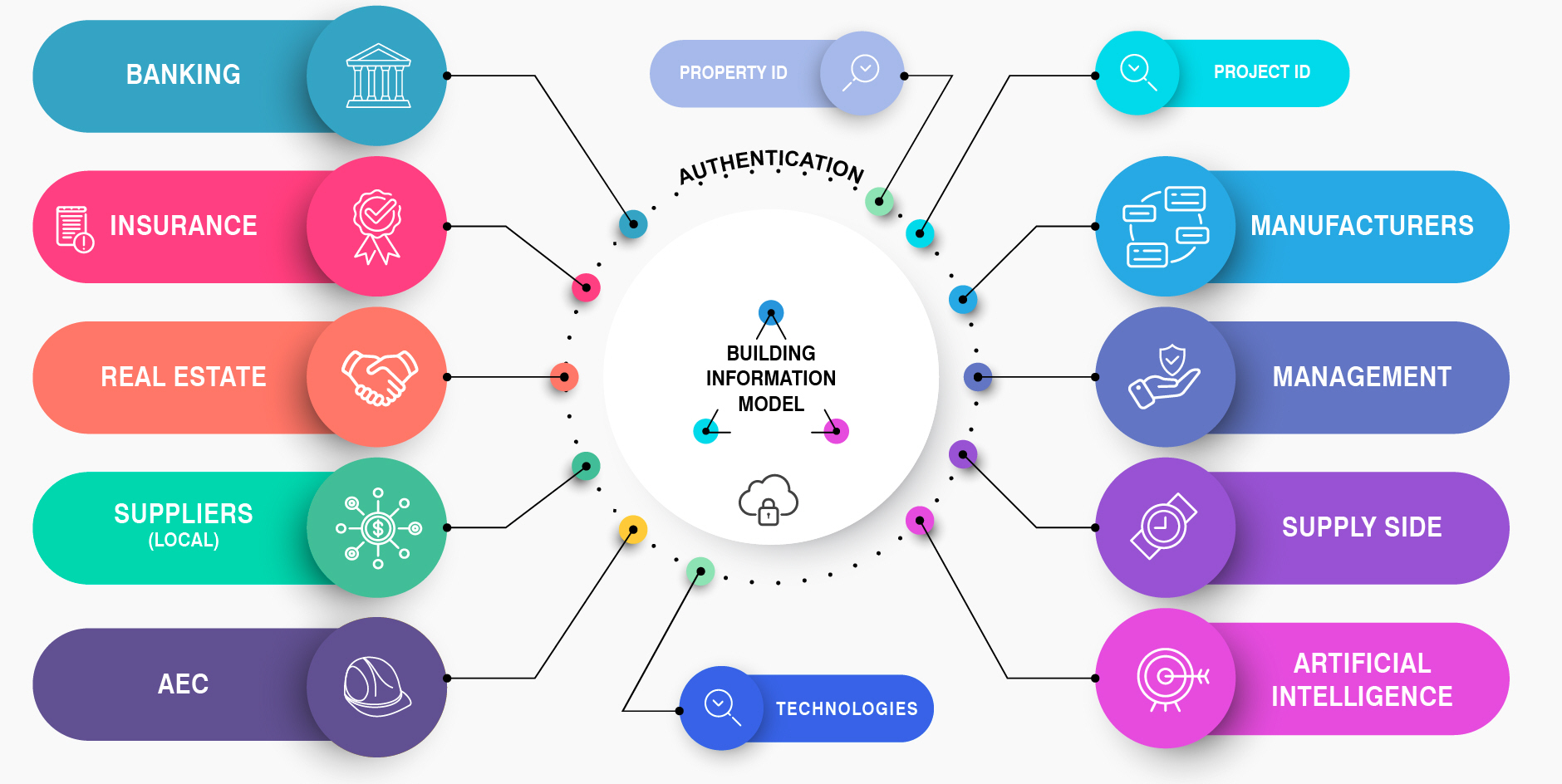
CaPSCi is a digital identity infrastructure for the real estate industry. It autonomously creates a secure pseudo technology infrastructure that emerge whenever service providers need to interact with the property and its data. The security infrastructure dissolves naturally when services and obligations terminate but data is retained and absorbed by the property information model.
As one of eight CaPSCi identity service providers for the real estate industry SLACi develops products for property owners and management. Digital identity and access management solutions for Property include APIs required to gather process and deploy deep property detail (P/BIM data) as AI data libraries. Management APIs integrate autonomous access and administration functions with the firms business operating model (BOM) or data library.
Stay informed!
PropTech for the owner / investor